
Workplace Injuries in Philadelphia
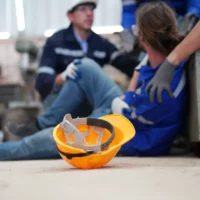 Workplace injuries can happen in any industry, from construction sites and warehouses to offices, hospitals, and retail stores. A serious injury at work can leave a person facing mounting medical bills, time away from their job, and uncertainty about their financial future. Many workers assume that workers’ compensation is the only path to recovery after a workplace accident. While workers’ compensation provides important benefits, it also has significant limitations that may prevent injured workers from recovering the full value of their losses.
In some situations, a negligence claim outside the workers’ compensation system may be available. These claims can provide a broader form of compensation and may arise when an independent contractor is injured or when a third party contributed to the accident. At Benedum Law, a Chestnut Hill personal injury firm representing clients throughout Philadelphia, we help injured workers understand their options and pursue the fullest possible recovery after a serious workplace accident.
How Workers’ Compensation Works in Pennsylvania
Pennsylvania’s workers’ compensation system was designed as a compromise between employees and employers. Workers generally receive benefits for job-related injuries without having to prove that their employer was negligent. In exchange, employees typically give up the right to sue their employer for damages.
If an employee is hurt while performing job duties, workers’ compensation may provide benefits such as payment of medical expenses and a portion of lost wages. These benefits can help stabilize a worker’s financial situation during recovery. However, the system is intentionally limited in scope.
Workers’ compensation does not compensate injured workers for many of the losses that arise after a serious accident. The system is designed primarily to address basic medical costs and wage replacement rather than the full impact of an injury on a person’s life.
The Limitations of Workers’ Compensation Benefits
While workers’ compensation can provide important support after an injury, it rarely covers the complete financial and personal impact of a serious accident. Injured workers often discover that the benefits available through the system fall far short of what they need to move forward.
Some of the most significant limitations include the following:
- Workers’ compensation generally pays only a percentage of lost wages rather than the worker’s full income.
- The system does not provide compensation for pain and suffering, emotional distress, or loss of enjoyment of life.
- Permanent injuries that affect long-term earning capacity may not be fully compensated.
- Disputes with insurance carriers can delay or limit medical treatment and benefits.
For workers who suffer catastrophic injuries, these limitations can be especially frustrating. A person who is permanently disabled or unable to return to their profession may face long-term financial consequences that workers’ compensation alone cannot address.
When a Negligence Claim May Be Available
In some situations, injured workers may be able to pursue a personal injury claim in addition to, or instead of, workers’ compensation benefits. These claims are typically based on negligence, meaning another party failed to act with reasonable care and caused the injury.
A negligence claim can provide a broader recovery than workers’ compensation. Unlike the workers’ compensation system, personal injury claims allow victims to seek compensation for the full range of damages associated with a serious accident, including pain and suffering and other non-economic losses.
Two situations frequently create opportunities for a negligence claim following a workplace injury: when the injured person is an independent contractor rather than an employee, and when a third party contributed to the accident.
Injuries Involving Independent Contractors
Not everyone who works on a job site is legally classified as an employee. Independent contractors often perform specialized tasks in industries such as construction, delivery services, maintenance, and consulting. Because they are not technically employees, independent contractors are usually not covered by workers’ compensation benefits provided by the company that hired them.
This lack of coverage can leave injured contractors in a difficult position if an accident occurs. However, it also means that the restrictions of the workers’ compensation system may not apply. Independent contractors often have the right to pursue a negligence claim against the party responsible for their injury.
For example, a contractor may be injured due to unsafe property conditions, faulty equipment, or the negligent actions of another company working on the same site. In these situations, a personal injury claim may allow the contractor to pursue full compensation for medical costs, lost income, pain and suffering, and other damages.
Determining whether someone is truly an independent contractor can be complex. In some cases, employers improperly classify workers as contractors to avoid providing benefits. A legal evaluation of the worker’s role and responsibilities may be necessary to determine what claims are available.
Third-Party Liability Claims After Workplace Injuries
Even when an injured person is a traditional employee covered by workers’ compensation, a negligence claim may still be possible if someone other than the employer contributed to the accident. These are known as third-party liability claims. A third-party claim does not replace workers’ compensation benefits. Instead, it may be pursued in addition to those benefits, allowing the injured worker to seek additional compensation that workers’ compensation does not provide.
Third-party liability can arise in many different workplace situations, such as the following:
Motor Vehicle Accidents While Working
Many jobs require employees to drive as part of their daily duties. Delivery drivers, sales representatives, construction workers, and technicians often travel between job sites throughout the day. If an employee is injured in a motor vehicle accident caused by another driver while working, workers’ compensation may cover medical treatment and wage loss. However, the at-fault driver may also be held responsible through a personal injury claim. This third-party lawsuit can seek compensation for the broader damages associated with the crash, including pain and suffering and long-term disability.
Dangerous Conditions on a Third Party’s Property
Many employees often perform work on property owned or controlled by someone other than their employer. For example, a contractor may be working on a commercial renovation project, a delivery worker may enter a customer’s property, or a maintenance employee may service equipment in another business’s facility.
If a dangerous condition on that property causes an injury, such as a broken staircase, poorly maintained walkway, or inadequate lighting, the property owner may be responsible under premises liability law. In this scenario, the injured worker may pursue a negligence claim against the property owner while still receiving workers’ compensation benefits.
Defective Tools, Machinery, or Equipment
Another common source of third-party liability is defective equipment. Workers rely on tools, machinery, and safety equipment to perform their jobs safely. When a product is defectively designed or manufactured, it can cause serious injuries. Examples include malfunctioning power tools, defective ladders, unsafe industrial machines, or safety gear that fails to protect the user. In these situations, the manufacturer, distributor, or designer of the product may be liable for the injuries under product liability law. These cases often require technical investigation to determine whether a design flaw, manufacturing defect, or failure to warn contributed to the accident.
Why Identifying Third-Party Liability Matters
Third-party claims can significantly change the financial outcome of a workplace injury case. While workers’ compensation provides limited benefits, a negligence claim may allow an injured worker to recover damages for the full impact of the accident. This broader recovery may include compensation for physical pain, emotional distress, permanent disability, and the loss of enjoyment of life—damages that workers’ compensation does not address. Because these claims often involve complex investigations and multiple insurance companies, identifying potential third-party liability early in the process is critical.
How Benedum Law Helps Injured Workers in Philadelphia
At Benedum Law, we understand that a workplace injury can affect every aspect of a person’s life. Medical treatment, lost income, and uncertainty about the future can place enormous stress on injured workers and their families. Our firm carefully examines every workplace injury case to determine whether additional claims may be available beyond workers’ compensation. By investigating the circumstances of the accident, identifying responsible parties, and working with experts when necessary, we seek to maximize the recovery available to our clients.
As a Chestnut Hill personal injury law firm serving clients throughout Philadelphia, Benedum Law is committed to helping injured workers pursue accountability and fair compensation after serious accidents.
Contact Benedum Law for Help After a Workplace Injury
If you have been injured on the job in Philadelphia, it is important to understand that workers’ compensation may not be your only option. Depending on the circumstances of your accident, you may have the right to pursue a negligence claim that allows for a more complete recovery. Contact Benedum Law today to schedule a free consultation. We can review your case, explain your legal options, and help you pursue the compensation you need to move forward after a workplace injury.
